The science behind emotional sales coaching.
44 FACS-compliant facial Action Units. VAD emotional state mapping. Real-time feedback. No specialist hardware. Here is exactly how EchoDepth reads and coaches emotional performance.

Capture
Standard webcam + microphone
EchoDepth uses your webcam and microphone. No VR headset. No depth sensor. No camera upgrade. A standard laptop at 720p works.
Scale needs simplicity. Special hardware creates procurement headaches. EchoDepth removes that barrier.
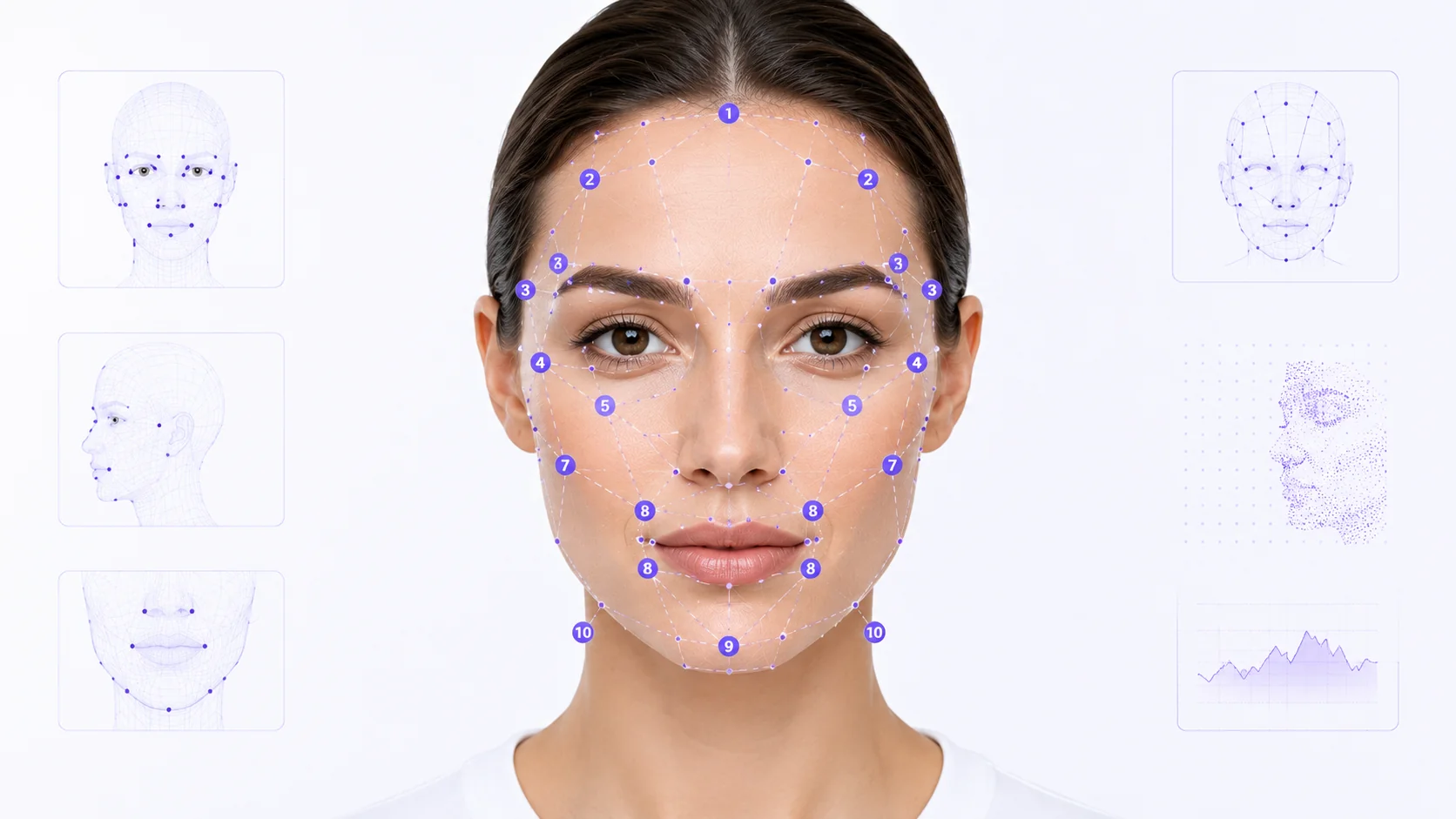
Inner brow raise
Brow lowerer
Cheek raiser
Lip corner puller
Chin raiser
Lip tightener
44 Action Units analysed simultaneously in real time
Analyse 44 Action Units
FACS — Facial Action Coding System
The Facial Action Coding System (FACS) comes from Paul Ekman and Wallace Friesen. It describes facial expressions through muscle movements. EchoDepth reads all 44 FACS Action Units in real time.
Why 44? Real confidence shows different muscle patterns than fake confidence. Brow, lip, cheek — they all tell a story. EchoDepth spots the difference. Reps cannot fake their way through it. And buyers read the same signals.
- 44 AUs analysed simultaneously, not sequentially
- Validated across 14 cultural cohorts in 6 countries
- Distinguishes performed from authentic emotional states
Map to VAD emotional space
Valence · Arousal · Dominance
Action Units map to VAD (Valence, Arousal, Dominance). This model comes from Mehrabian and Russell's emotion research. Three dimensions describe any emotional state.
Positive or negative quality of the state. Confidence = high positive. Anxiety = low.
Activation intensity. Both excitement and panic are high-arousal — they need different coaching.
Perceived control and authority. The dimension buyers read when deciding whether to trust a rep.
VAD lets EchoDepth tell nervous energy from confident energy. They look similar on the surface. Buyers respond to them very differently.
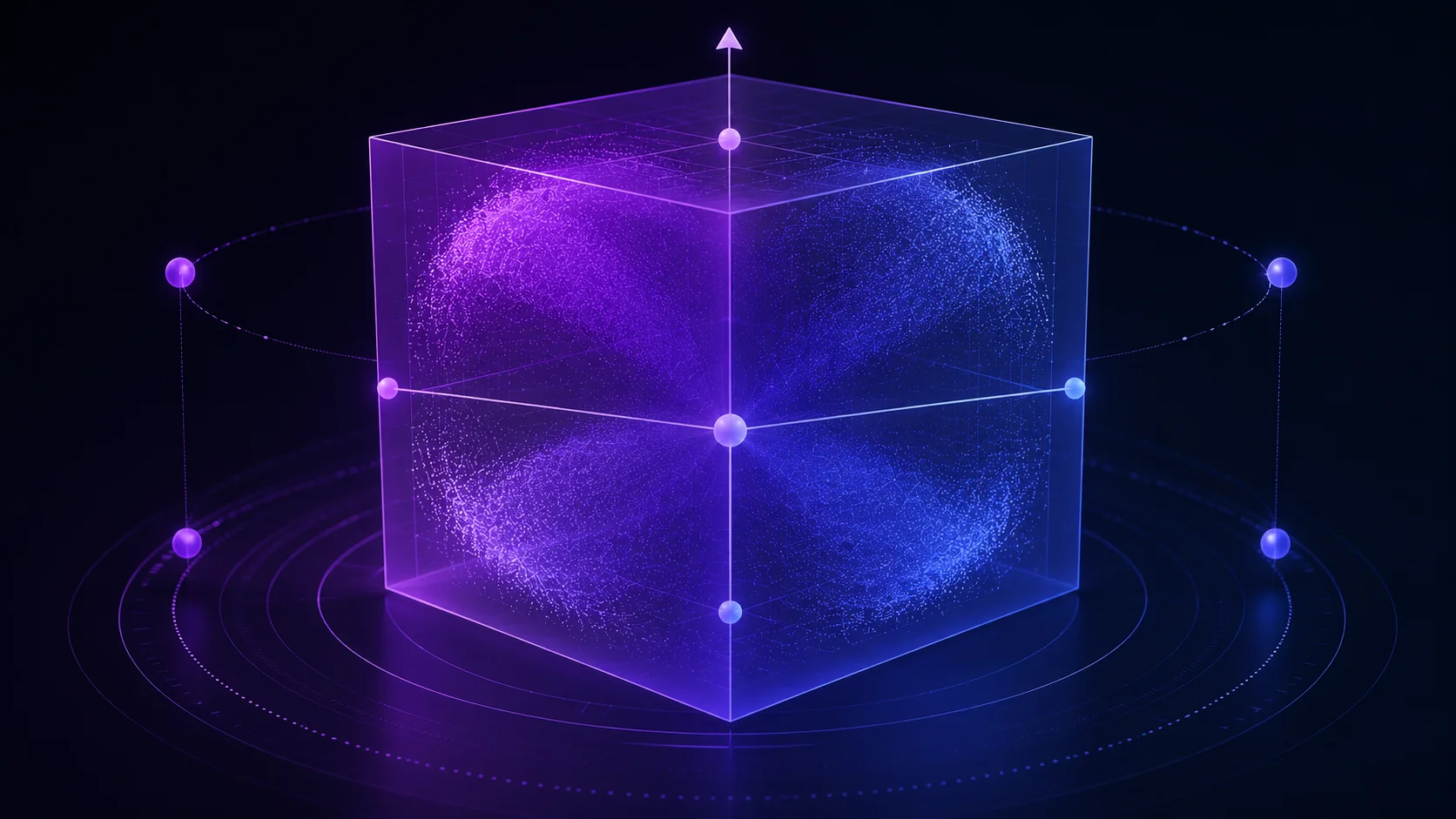
V: 0.82 · A: 0.61 · D: 0.78
V: 0.31 · A: 0.79 · D: 0.24
V: 0.71 · A: 0.44 · D: 0.82
V: 0.29 · A: 0.22 · D: 0.31
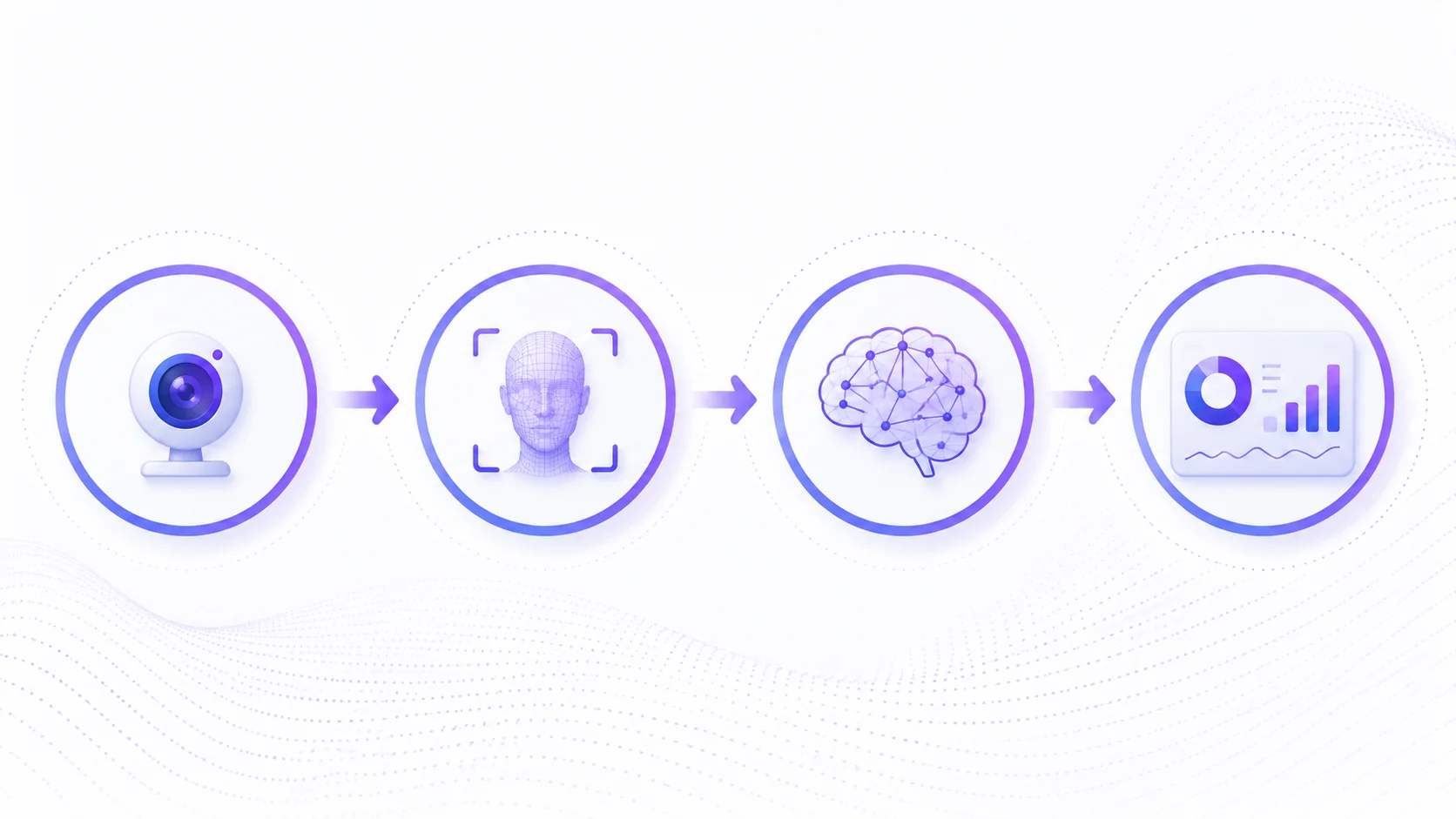
Deliver coaching feedback
Real-time scores + post-session guidance
VAD becomes three scores: Confidence, Warmth, and Authority. Reps see them live. Each score links to research on what makes buyers trust and commit.
After each session, EchoDepth shows what worked and what did not. It flags weak moments. It tells reps exactly what to fix next time.
- Live confidence, warmth, authority scores during practice
- Post-session report with moment-by-moment analysis
- Specific, actionable coaching tip per session
- Team aggregate data for sales leaders
14 cohorts. 6 countries.
Emotions work the same everywhere. But cultures express them differently. EchoDepth is tuned for 14 cultural groups across 6 countries. Global teams get accurate feedback — not just Western defaults.
Request access to see this in actionTechnology FAQs
What are facial Action Units?
See the technology in action.
Request access to the early access programme and experience how 44 Action Units translate into coaching that changes how your team sells.
Request Access